


Interior trends: mid-century modern decor and furniture

Image via Unsplash
What is mid-century modern decor?
Categorised for its use of glass, metals, warm woods, organic shapes, and a strong connection to nature, mid-century modern decor manages to appear both contemporary and vintage at the same time. In its beginnings, it was a reinterpretation of traditional designs to suit the changing times, urbanised living, and a more modern aesthetic. Mid-century modern decor, known largely for its mid-century furniture pieces, is more than just an aesthetic. Central to its design philosophy is a celebration of fine craftsmanship and furniture that is functional, efficient and most importantly, attainable.
What is the history behind mid-century modern decor?
Mid-century modern decor was originally popularised in America, following World War II, when there was an influx of new materials and design capabilities. Influenced by the Bauhaus movement, new materials such as plywood, foam, aluminium, and plastic laminates were more malleable than their predecessors and could be sculpted into organic and futuristic shapes. This, combined with a forward-facing world outlook and a utilitarian approach to design, became the origin story behind the mid-century modern design movement.
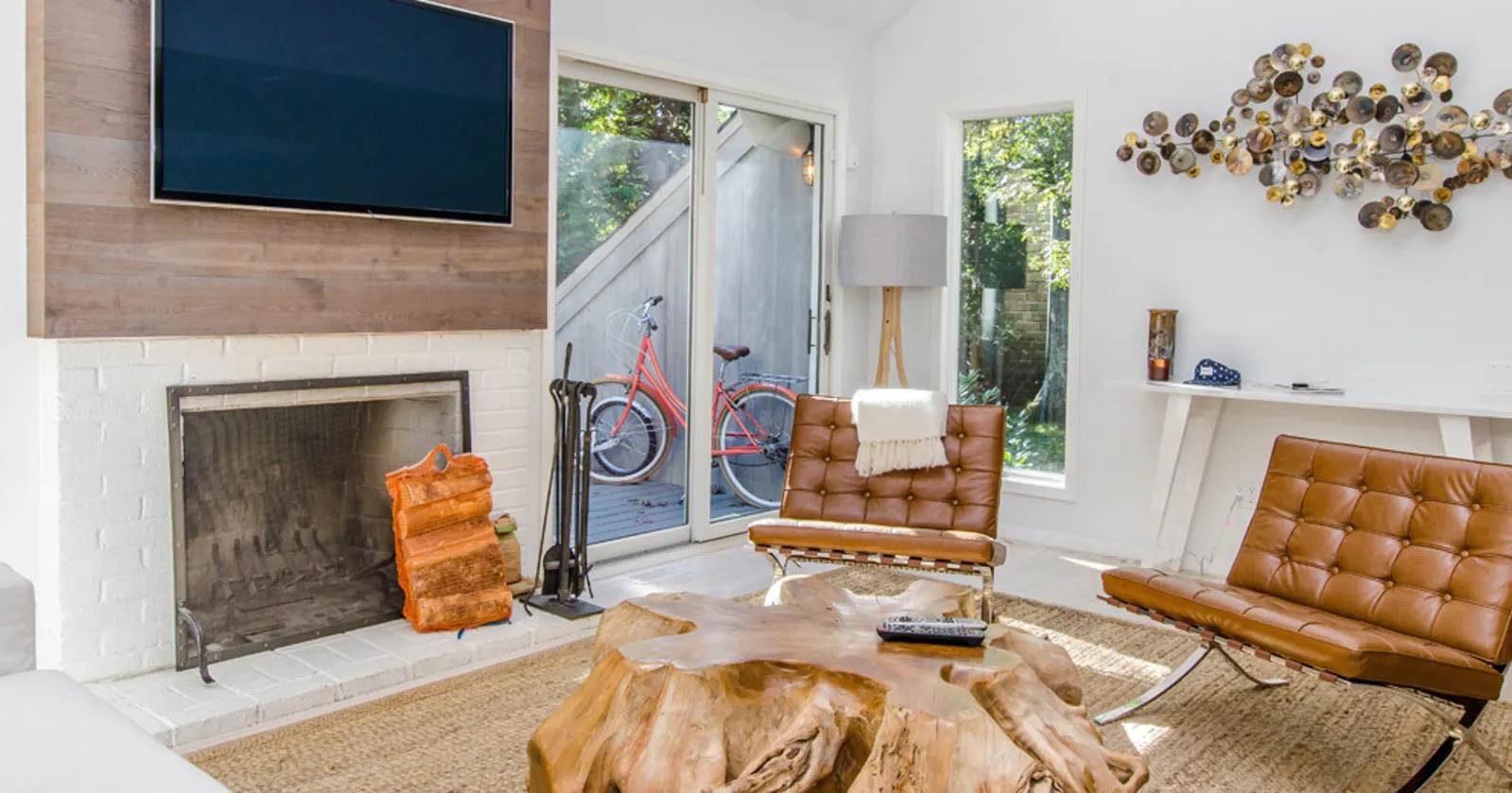
Characteristics of mid-century modern interior decor and furniture
If you’re wondering how to incorporate this interior trend in your home, think about the following characteristics:
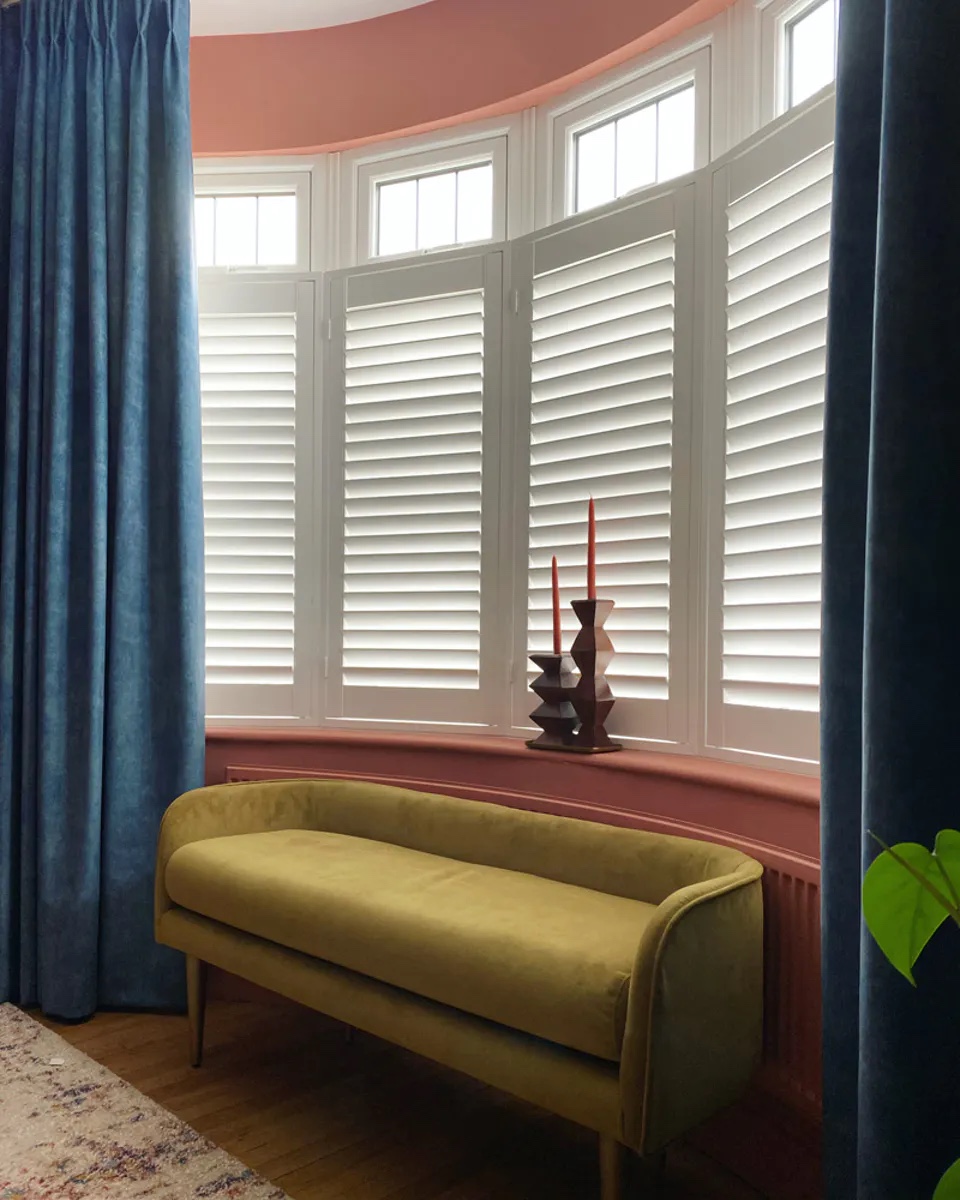
Clean, sleek lines
Mid-century modern interior decor and furnishings are all about bringing sleek lines into your home. It can even borrow from retro styles, incorporating 70s interior design elements, so long as it steers clear of being kitsch or fussy. So when you're picking out or arranging mid-century modern furnishings, always remember to think about your lines.
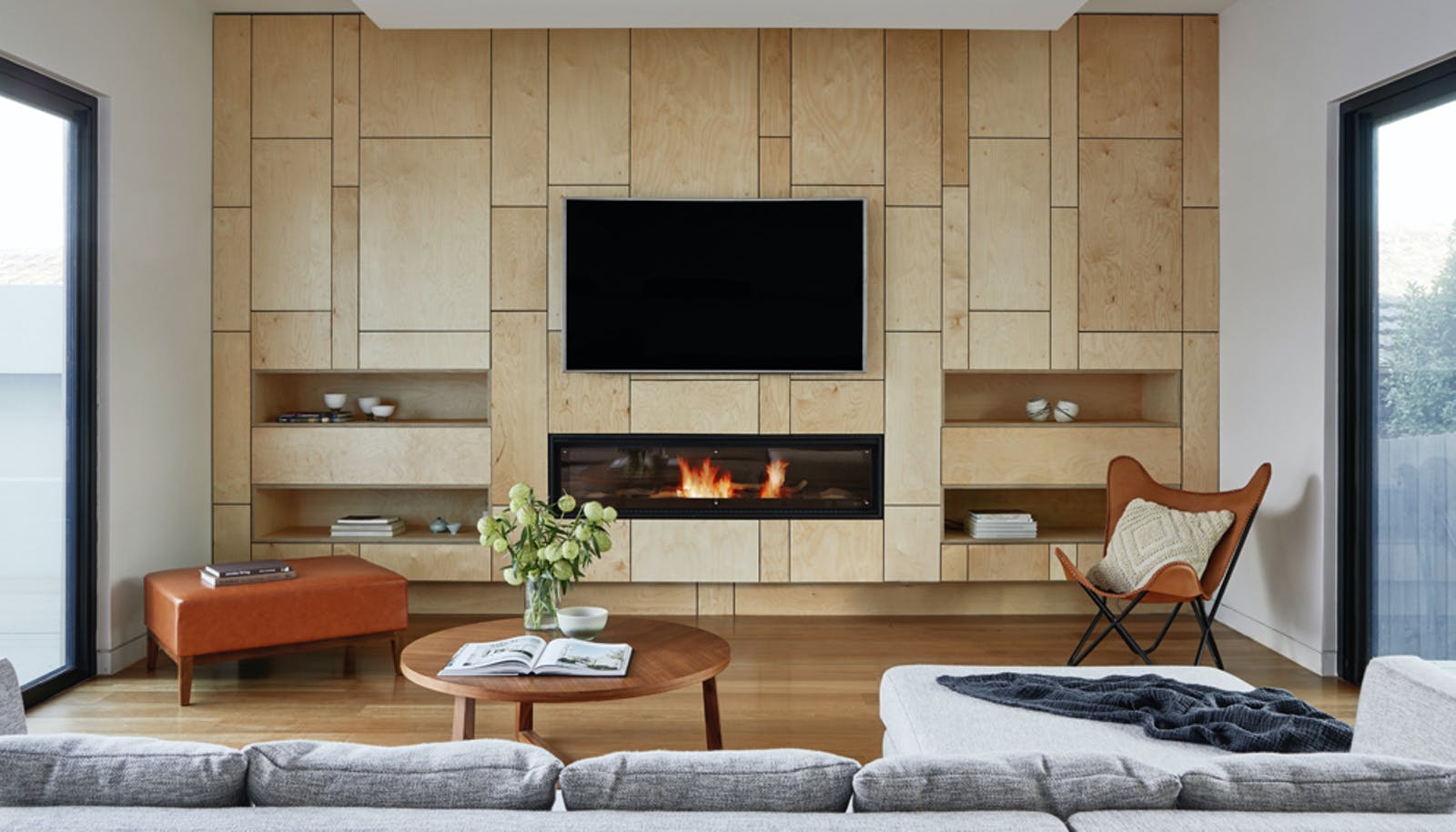
Minimal ornamentation
Similar to Japandi interior style, mid-century modern style is all about simplicity and minimal clutter. It's a 'less is more' approach to decor, all about statement pieces like large sculptures or plants, rather than decorative trinkets. Use a little Marie Kondo logic when making design decisions and only include what you really love or really need.
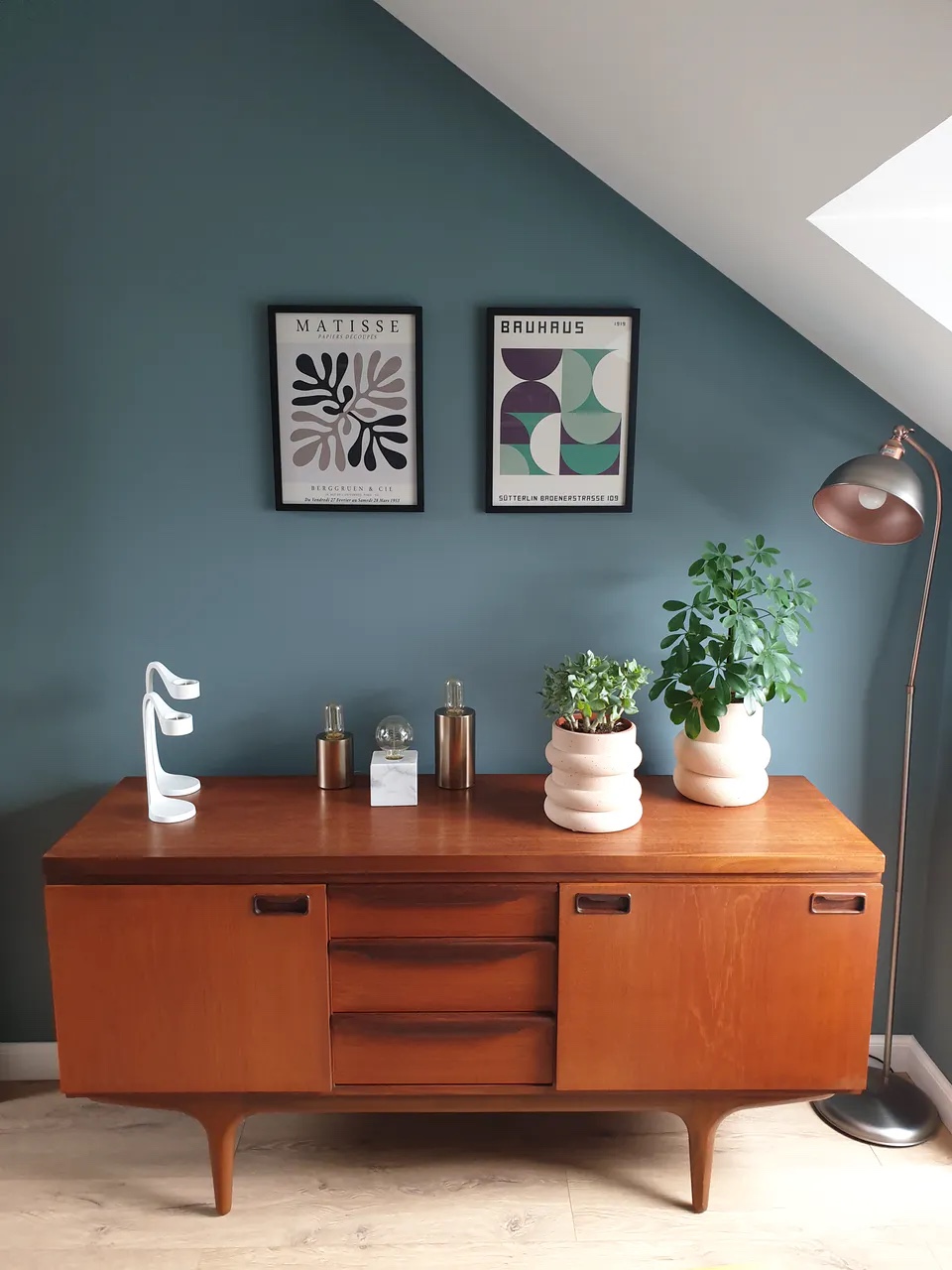
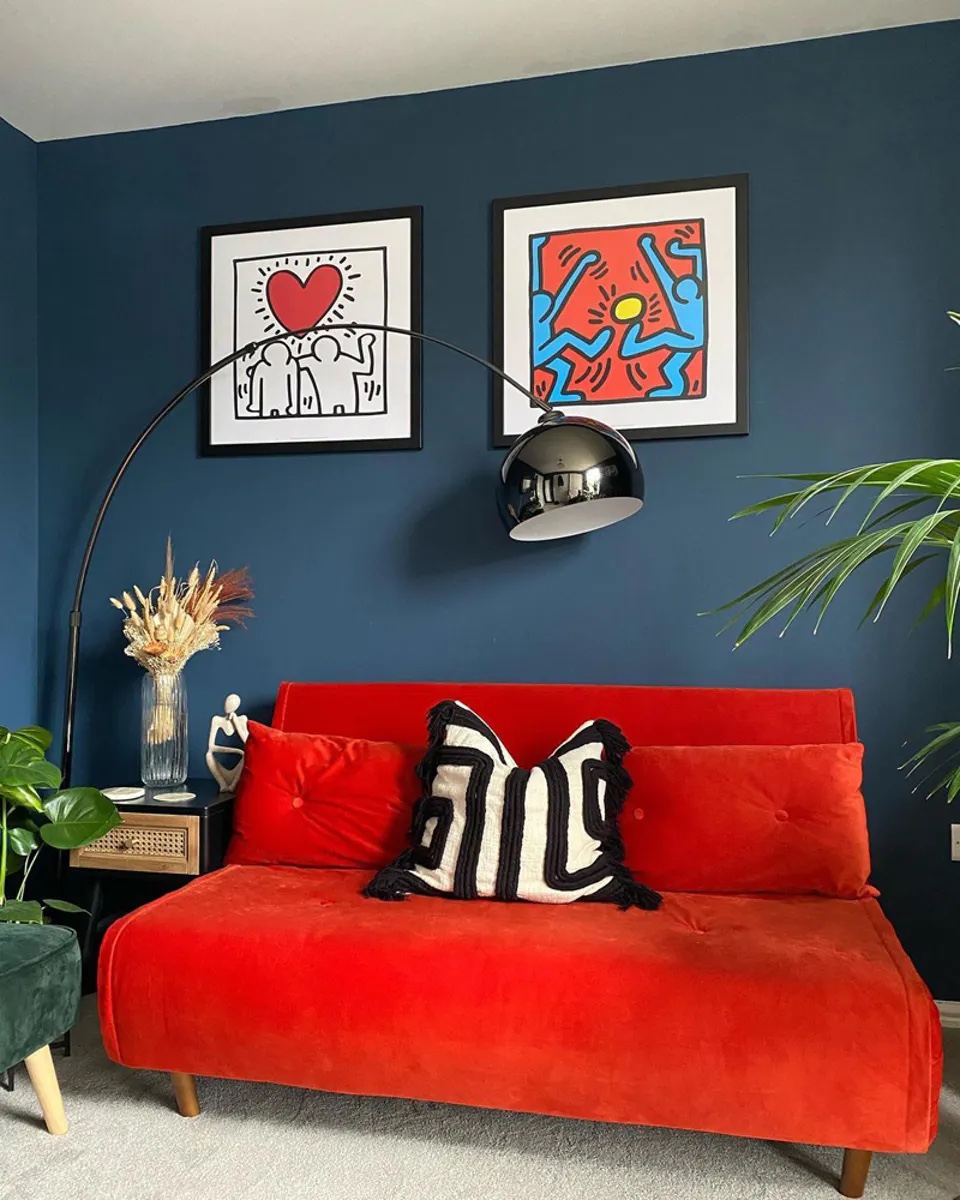
Highly functional design
Celebrating form and function, the practical nature of mid-century modern interiors goes well with utilitarian elements of Scandi interior style. Think oversized consoles that double up as storage or comfy yet beautiful armchairs.
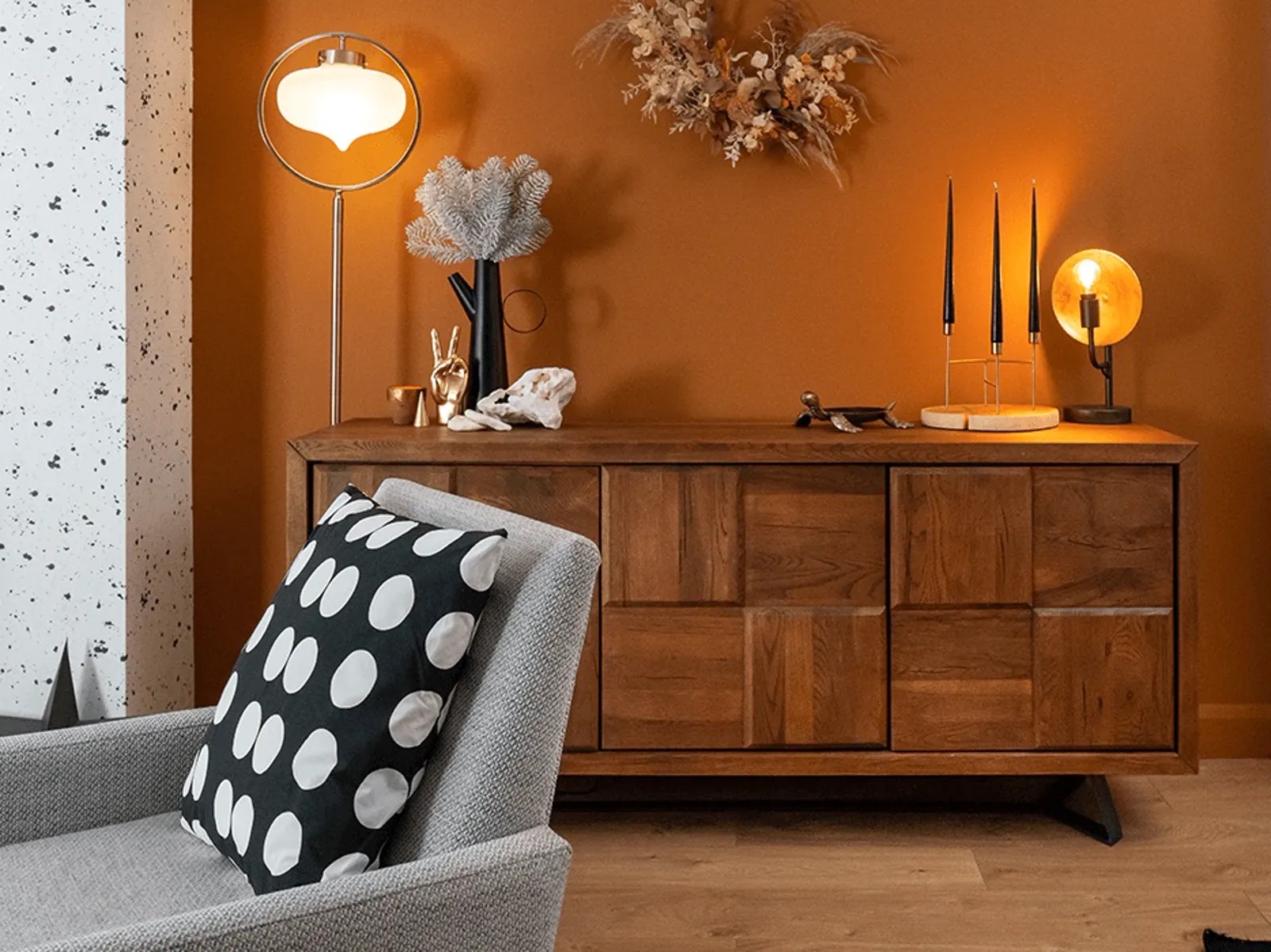
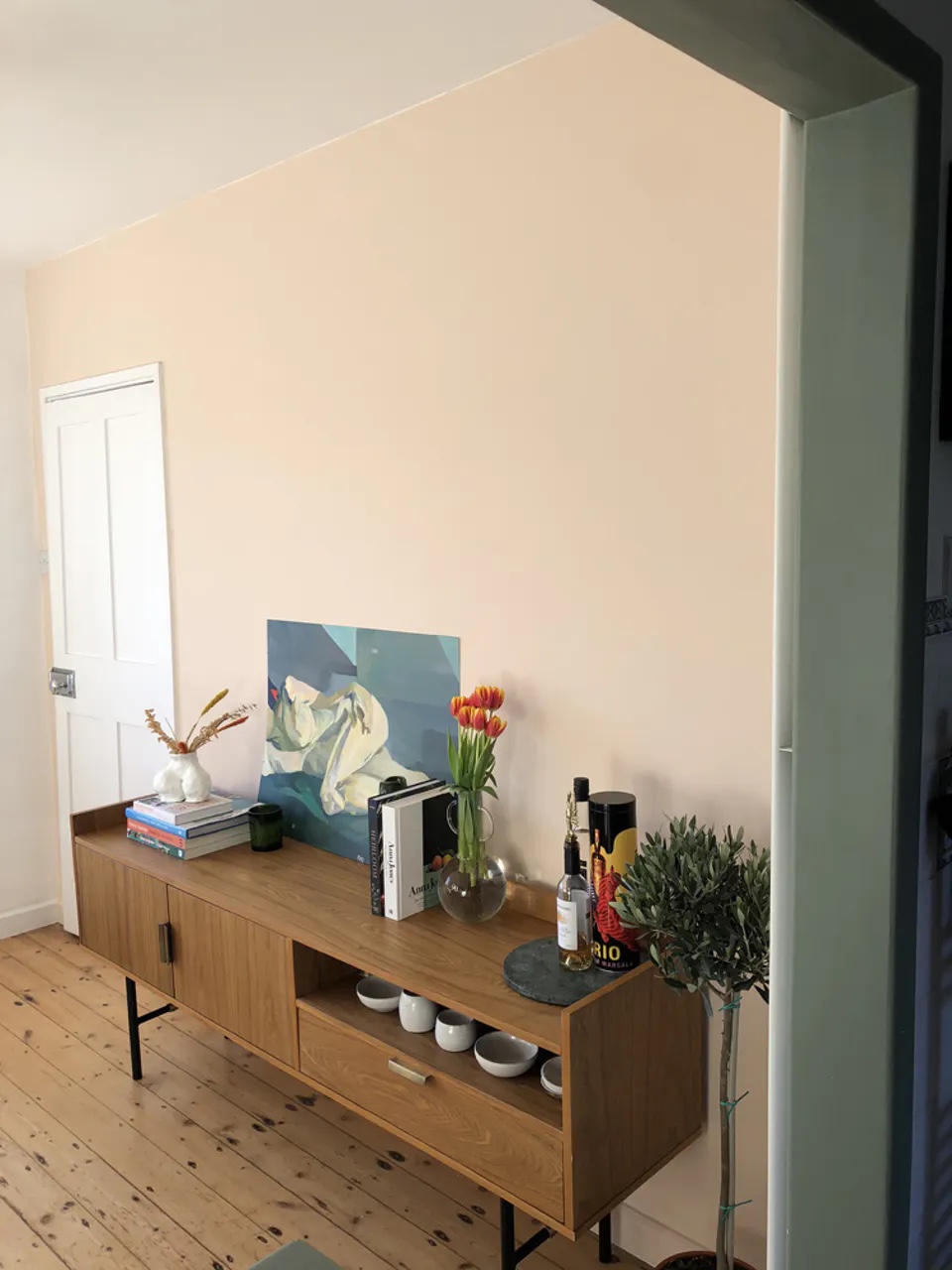
Neutral or bold colour palette
The warm woods and organic shapes common in mid-century modern interiors and furnishings lend themselves perfectly to the boho home decor style. If you're going bold and rich with your colour choices, Palette 03: 70s retro is a great place to start. Or if you want to keep things neutral, then the tonal hues of Palette 02: Japandi style are the colours for you. Whatever paint palette you go for, create a cohesive look by making sure you use the best paint colours to pair with your wood.
Bringing the outdoors in
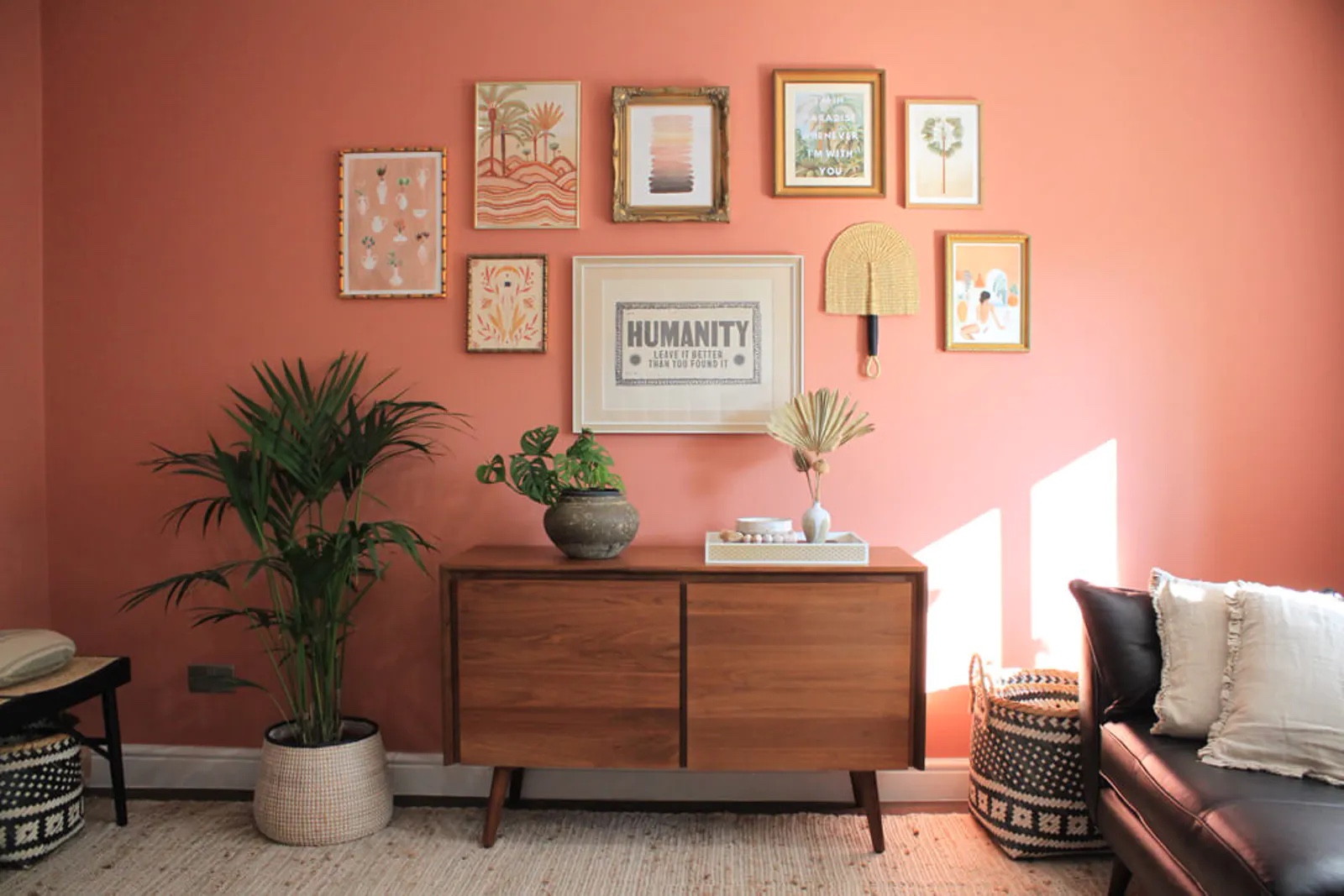
Can you believe millennials didn't create the house plant trend? Though they've, without a doubt, popularised it. In keeping with many of the principles of the biophilic design interior trend, mid-century modern interior style has always celebrated nature and the natural form. Not just through its organic shapes but also by incorporating natural elements, like plant life. As with ornaments, keep them to a minimum and make them count. When it comes to pots, opt for function and allow your plants to make a statement.
We hope this helped you understand the mid-century modern decor and furniture design trend and how to incorporate it in your home a little better. If your style is bolder, take a look at the maximalist decor trend for something a bit more avant-garde.